Complaints Procedure for Removal Van Roehampton
 A clear complaints procedure is an important part of any professional removal van Roehampton service. Even when a move is carefully planned, unexpected issues can arise, such as delays, handling concerns, missed instructions, or damaged items. A structured process helps ensure that every concern is addressed fairly, promptly, and with proper documentation. The aim is not only to resolve a problem, but also to improve the quality of the service for future moves.
When a customer raises a complaint, the first step is to record the issue accurately. This includes noting what happened, when it occurred, and which part of the move was affected. Whether the concern relates to packing, loading, transport, or unloading, a good removal van service should treat the matter seriously. Clear records help both sides understand the situation without confusion or unnecessary delay.
 A well-managed removal van Roehampton complaints process should be simple, respectful, and easy to follow. Customers should be able to explain the issue in plain language, and the company should respond with the same level of clarity. If evidence is available, such as photos, inventory notes, or signed documents, it may help support the review. Consistency is essential, because complaints must be handled in a fair and similar way every time.
The complaint should then be reviewed by the appropriate person or team. This stage usually involves checking job notes, service records, and any relevant communication. A professional van removal provider will look at the facts before reaching a conclusion. If the issue is straightforward, it may be resolved quickly. If it is more complex, the review may take longer, but the customer should still be kept informed.
In some cases, the complaint may concern the condition of goods after transport. In others, it may involve timing, behaviour, or incomplete service. A proper complaints procedure for removals should recognise that not every issue has the same cause or outcome. For that reason, the response should be tailored to the circumstances rather than relying on a one-size-fits-all decision. The goal is to reach a reasonable outcome that reflects the facts.
 The middle stage of the process often focuses on investigation and communication. This is where the company may speak with the team involved, compare reports, and assess whether service standards were met. A responsible removal van Roehampton operator should remain calm and professional during this stage. Even if the complaint is sensitive, the discussion should stay focused on evidence and resolution rather than blame.
If the complaint is upheld, the business should explain what will happen next. Possible resolutions may include an apology, correction of the service, or another suitable remedy depending on the issue. The response should be proportionate to the problem and clearly stated in writing where appropriate. A good removal van complaints procedure makes sure the customer understands both the decision and the reason behind it.
If the complaint is not upheld, the customer should still receive a respectful explanation. This explanation should outline the findings, the evidence considered, and why the outcome was reached. Even when there is disagreement, a fair process helps maintain trust. A professional removal service understands that transparency matters just as much as the final decision.
It is also important to set timeframes. Complaints should be acknowledged quickly and handled within a reasonable period. Delays can increase frustration, so a reliable removal van Roehampton service will aim to keep the process moving. If more time is needed, the customer should be told why and given a new expected response date. This approach shows respect and helps reduce uncertainty.
 Staff training plays a major role in preventing complaints from escalating. Team members who understand service standards, communication expectations, and proper handling methods are better prepared to avoid mistakes. A strong complaints procedure is therefore linked to everyday quality control. It should not only react to problems, but also support better practice across the whole moving service.
Documentation is another essential part of the process. Every complaint should be logged, tracked, and closed with a clear record of the outcome. This allows the company to identify patterns, such as repeated issues with scheduling or handling. In a removal van Roehampton business, that insight can be used to improve planning, supervision, and customer care without needing to repeat the same errors.
Privacy should also be protected throughout the procedure. Sensitive information must be handled carefully, and only those involved in reviewing the complaint should access the details. A trustworthy van removal provider respects confidentiality while still taking the issue seriously. This balance helps ensure that complaints are managed professionally and responsibly.
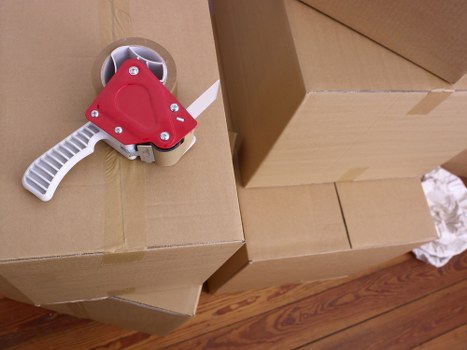 Ultimately, a good complaints procedure gives customers confidence that their concerns will be heard and addressed properly. It supports fairness, accountability, and continuous improvement. Whether the issue is minor or more significant, a well-run removal van Roehampton process should remain clear, structured, and courteous from start to finish.
By combining careful review, timely communication, and consistent decision-making, a moving company can handle complaints in a way that protects service quality and customer trust. A reliable removal van service understands that every complaint is also an opportunity to improve, refine standards, and deliver a better moving experience in the future.